I’ve been watching a lot more films these days thanks to the invention of Watch2gether, which allows me to watch films with my friends. In particular, I’ve been watching a lot of stuff from Shudder with my friend Andrea.
As a result, I’m usually watching two films every day. It doesn’t show up here because I also re-watch stuff that I’ve already posted on Short Takes.
We just posted our 600th capsule review, which was #2 on the list below. At the rate I’m going, we should top a thousand by the end of the year. We’re still a long way off from beating Michael Weldon’s 7,000+. But our capsule reviews are longer with way more details. And now we are posting lots of newer stuff. Not that it’s a competition…
December 2020 Films
- America’s Most Haunted (2013)
- Attack of the 60 Foot Centerfold (1995)
- Big Trouble in Little China (1986)
- Child’s Play (1988)
- The Cleansing Hour (2019)
- Creepozoids (1987)
- Crocodile (2000)
- Dead End (2003)
- The Evil Eye (1963)
- The Final Girls (2015)
- Ghost Writer (1989)
- Head (2015)
- Hell House LLC (2015)
- Hellboy (2004)
- Inhumanwich! (2016)
- Kill, Baby… Kill! (1966)
- Killer Fish (1979)
- Macabre (1980)
- Mausoleum (1983)
- Midnight Movie (2008)
- Monster a Go-Go (1965)
- Moonshine Mountain (1964)
- Nekromantik 2 (1991)
- Nightbreed (1990)
- The Night Evelyn Came Out of the Grave (1971)
- Night of the Demons (1988)
- Night of the Demons (2009)
- The Nightshifter (2018)
- Salem’s Lot (1979)
- Scare Me (2020)
- The Skull (1965)
- The Slumber Party Massacre (1982)
- Sneakers (1992)
- Suburban Gothic (2014)
- Twice-Told Tales (1963)
- Vampire Circus (1972)
- We Go On (2016)
- Witchboard (1986)
- Zombeavers (2014)
America’s Most Haunted (2013)
I’ve seen any number of “fake ghost show comes upon real ghost” films. This one is pretty watchable. It does have a bit of a twist ending plus it features James Karen who is always fun to see.
Attack of the 60 Foot Centerfold (1995)
I’m a fan of Fred Olen Ray. And this film features much of what has made him an icon in the low-budget film world. There are lots of fun film references. But the plot is clunky and few jokes land.
Big Trouble in Little China (1986)
This film is pure cake. It’s just a fun ride with a lot of cool effects. It shows that Carpenter can do just about anything. I bought the SHOUT! Factory Blu-ray for a dollar at a junk store. Otherwise, I never cared much about owning it. But there have got to be super-fans out there because this is a wonderful film!
Child’s Play (1988)
I avoided watching this film for decades because I figured it was a comedy. It’s not. It’s more like a filmmaker challenge, “Make a scary film with the most ridiculous villain possible.” And they succeed remarkably. Killer Piñata is better, but it’s still really good!
The Cleansing Hour (2019)
This is probably the best of the “fake ghost show comes upon real ghost” films. The acting, design, and effects are all great. I do think the ending takes too long, but this is true of most films these days.
Creepozoids (1987)
This is a very effective and efficient Alien-style monster movie. There are lots of David DeCoteau films I like more but you can see why this one is so often mentioned as one of his best.
Crocodile (2000)
Never mentioned as one of Tobe Hooper’s best, Crocodile is a lot better than most films like this. The best thing about it is that the first act is short because nothing makes he fear for the future like the young people in teen horror films. But this one gets going fast and pushes constantly to the end.
Dead End (2003)
This film would have worked well as an episode of The Twilight Zone. It features a somewhat clear idea rendered simply (but effectively) with excellent acting. Few will be surprised by the denouement, but the ride is well worth it.
The Evil Eye (1963)
This is a beautifully shot film by Mario Bava that was hugely influential. It’s funny that they cast an Italian woman to play an American and an American man to play an Italian. But it all works well with radical shifts in tone.
The Final Girls (2015)
This is another of the “killer film” films. It works as a parody of the slasher genre, but it’s actually a lot more than that. And the teens are far less annoying than usual. It features lots of gore but isn’t especially scary. I really liked it.
Ghost Writer (1989)
Maybe I’m watching too much horror, but I just loved this film. It’s very funny but also sweet. It’s hard not to conclude that Kenneth J Hall actually likes women. It makes Attack of the 60 Foot Centerfold look bad by comparison.
Head (2015)
This is a fairly serious slasher film made entirely with puppets. I’m still debating the ending with my friends.
Hell House LLC (2015)
Another “fake ghost show comes upon real ghost” film — in this case, people who put on haunted houses for Halloween. It’s a found-footage film and works quite well. I could have done without the ending, but that’s seems to be my thing.
Hellboy (2004)
Hellboy is a good film, but the opening sequence without the title character works a lot better for me. Now that we proved Guillermo del Toro can even make a good superhero film, can we move on. Sadly not.
Inhumanwich! (2016)
A funny parody of Monster a Go-Go. There is a lot of content like this made for people like me. Given I find so few of these people out in the world, I have concluded that 90% of all psychotronic fans make movies. That’s great, but anyone going after this demographic is bound to lose money!
Kill, Baby… Kill! (1966)
Another great film from Mario Bava. It’s mostly atmosphere. The plot doesn’t matter all that much. As I get older, I prefer these kinds of films, which is why I’m so fond of the Italians of these decades.
Killer Fish (1979)
This Karen Black heist film works well enough. I think Barracuda from the same time is way better.
Macabre (1980)
Mario Bava’s son has much of his father’s talent. This is a supremely twisted story. Nothing will surprise you but it’s still a lot of fun!
Mausoleum (1983)
This film mostly just rambles without much atmosphere. It does feature some rather good murders and you get to look at Bobbie Bresee naked. But you are much better off watching Evil Spawn.
Midnight Movie (2008)
A rather good “killer film” film. I think a sequel to it might have been even better. Once the characters are inside the film, the world is much more interesting. And it’s horrifying to think of those left inside it.
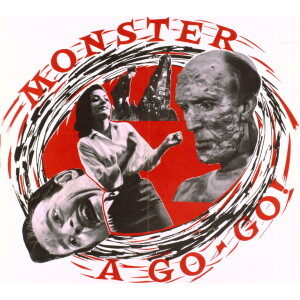
Monster a Go-Go (1965)
I remembered hating this film. On re-watching it, I can confidently say that I was right. Go ahead and read my article, The Curious Creation of Monster a Go-Go. But the film itself is a slog.
Moonshine Mountain (1964)
Herschell Gordon Lewis really did have his own style. This film is actually pretty fun and it unfolds a bit differently that you think when it starts.
Nekromantik 2 (1991)
A funny but deeply disturbing romanance between a woman and the guy she likes hanging out with and the corpse she likes fucking.
Nightbreed (1990)
This is a typical kind of Clive Barker film where the plot doesn’t matter all that much. There is a decent plot that you can follow. But that’s not why you should watch it. It has lots of interesting moments.
The Night Evelyn Came Out of the Grave (1971)
I’m really torn on this film. Most of it is really good. And the ending is so trite and that really destroys the rest of the film. So maybe turn it off when you get to the reading of the will?
Night of the Demons (1988)
Linnea Quigley gets naked with some lipstick. Other than that, the film is okay — better than most teen horror films.
Night of the Demons (2009)
Linnea Quigley only gets a cameo here. And the teens are far more annoying than in the original. It has a lot of atmosphere and is directed in the flashy style. I’m sure a lot of people like it.
The Nightshifter (2018)
This is one of the best films I’ve seen recently. It’s Brazilian and in Portuguese. Even before the plot really gets going, the film grabs your attention with the conversations between the morgue worker and the corpses.
Salem’s Lot (1979)
I suspect the reason Stephen King so often hates the films that are made of his novels is that they don’t capture the combination of small town life and impending doom. Hooper and company do this beautifully here. This is a good film to share with people who aren’t horror fanatics but are okay with the genre.
Scare Me (2020)
This is a very well-written play made very stylishly into a film. I loved the first half but lost my way toward the end. Well worth seeking out.
The Skull (1965)
Amicus goes for style and atmosphere here but I really think the Italians do it better. Still, a pretty interesting film.
The Slumber Party Massacre (1982)
A feminist slasher film?! That’s right. But the fact that this film has something to say doesn’t make it any less fun. In fact, having well-developed women characters actually makes it better.
Sneakers (1992)
This is a heist film with an all-star cast. It’s fun but these days I have a hard time getting past the fact that the plot makes no sense. Also: I’m still not sure what motivates the bad guy — because I kind of want him to win. More and more I think this film is actually slapping down leftists by liberals: the way to change the world isn’t upsetting the system but by giving to Greenpeace. Okay. But awfully safe and boring.
Suburban Gothic (2014)
Another film about a young man who comes home only to find that some wickedness has taken over. In this case, there’s a major reversal. Also: this is a very funny film.
Twice-Told Tales (1963)
This is a pretty romantic horror trilogy. It was doubtless a good date movie at the time of its release. It’s a well-made film and a pleasant watch.
Vampire Circus (1972)
Done well, there is no way a circus-themed horror film can miss with me. I like the bright colors and acts. This film certainly has its problems with pacing but I thoroughly enjoyed it.
We Go On (2016)
This is an excellent take on the haunted person genre. It has very impressive moments but is worth a watch even without them.
Witchboard (1986)
We seem to be flooded with Ouija board films these days. This is an earlier one that is quite good. Some of the deaths are kind of obvious though.
Zombeavers (2014)
This is a well-made zombie film but with the usual assortment of really annoying teens. Everyone dies, which kinda shows that beavers are good for the ecosystem.
See you next month!